Kobe Animal Kingdom
By Andrew Liyan · Last updated: September 8, 2026 · Facts verified: September 8, 2026

- Area
- Port Island, Chuo-ku, Kobe
- Best For
- Families, Photography, Nature
Visiting Kobe Animal Kingdom
Kobe Animal Kingdom sits on Port Island, the artificial island off central Kobe, and is the city's only large-scale, mostly-indoor animal attraction, a distinction that matters in a Kobe attraction cluster otherwise built around outdoor sightseeing (Meriken Park, Mount Rokko, Nunobiki). About 70% of the park is under glass, arranged as a series of glasshouse zones where visitors walk close to capybaras, toucans, and other birds and small mammals with few barriers between them, alongside an outdoor section for camel rides and penguin feeding. That indoor-first design makes it one of the few genuine all-weather, rain-or-shine activities in the city, a real practical advantage for a Kobe itinerary that otherwise leans heavily on open-air harbor views and mountain terraces.
The park opened on March 15, 2006 as Kobe Kachoen (神戸花鳥園, 'Kobe Flower and Bird Garden'), a concept built around a large flower-shower glasshouse and hands-on bird encounters. The operating company went bankrupt in November 2013, and new management took over in March 2014, broadening the concept from flowers and birds into a wider range of animals and relaunching the park as Kobe Animal Kingdom that July. The rebrand kept the original glasshouse structure and flower displays while adding capybara, small-mammal, and additional bird exhibits, along with the outdoor camel and pony area, giving the park its current identity as a hybrid animal park and flower garden rather than a traditional zoo.
Inside, roughly ten themed zones spread across the glasshouse complex include a large water-lily pond, a toucan exhibit, a penguin feeding zone, a free-flight area for the Owl & Hawk bird show, and the original flower exhibition space with an on-site cafe. Capybara encounters are consistently the most talked-about stop, since visitors can sit close to and often hand-feed the animals inside the glasshouse rather than viewing them across a moat or fence. The outdoor 'Outside Park' section adds camel and pony rides plus additional penguin and waterfowl feeding, giving the park a small open-air component alongside its mostly-indoor core.
Kobe Animal Kingdom is deliberately distinct from two other Kobe animal attractions that visitors sometimes confuse it with. Kobe Oji Zoo is the city's traditional municipal zoo on the mainland, a conventional outdoor zoo layout unrelated to Port Island. Kobe Suma Sea World, a marine-life and aquarium attraction elsewhere in the city, covers ocean animals and aquarium-style exhibits rather than the hands-on bird and small-mammal encounters this park is built around. Travelers choosing between Kobe's animal attractions should treat Animal Kingdom as the indoor, hands-on encounter option; Oji Zoo as the traditional outdoor zoo; and Suma Sea World as the marine/aquarium choice.
Reaching the park is straightforward by Kobe standards: Keisan Kagaku Center Station on the Port Liner automated line sits directly at the entrance, about 14 minutes from Sannomiya and about 4 minutes from Kobe Airport, so the park works both as a stop on a Port Island day and as a quick add-on for travelers connecting through the airport. Accessibility infrastructure is genuinely well documented by the operator: free wheelchair rental with no reservation, paid stroller rental, two curtained nursing rooms (explicitly not open to men, stated plainly on the operator's own FAQ), and diaper-changing stations at multiple points, all confirmed directly from the park's own English-language FAQ page rather than inferred.
Admission increased on April 1, 2026, and the current rate (adult ¥2,400, elementary ¥1,200, age 4-5 ¥500, senior 65+ ¥1,900) is noticeably higher than the pre-2026 figures still shown on several older travel-guide pages, worth flagging since it changes the value calculation for a family group. The park's named shows and feedings, including the Owl & Hawk free-flight performance and various capybara, alpaca, and penguin feeding sessions, are worth checking on the operator's own event schedule before a visit, since specific programs are added, changed, and occasionally suspended over time and should not be treated as a guaranteed fixture.
Visitor sentiment is generally strong on the hands-on animal encounters and the park's family-friendly accessibility infrastructure, though some reviews raise animal-welfare observations, including repetitive pacing behavior noted in a few of the park's mammals (pumas, wolves, skunks, and anteaters among them). ExploreJapanDaily includes that signal here rather than presenting the park purely on marketing terms, since it's a genuine consideration for travelers weighing whether close-contact animal encounters at this scale fit their own comfort level, alongside the otherwise strong family and accessibility case for a visit.
Things to Do at Kobe Animal Kingdom
Get Close to Capybaras in the Glasshouse
Capybara encounters are the single most-mentioned highlight across visitor reviews, with animals kept in an open, low-barrier glasshouse setting that lets visitors sit close to and often help feed them, rather than viewing them from behind a fence or moat.
Watch the Owl & Hawk Free-Flight Show
A dedicated free-flight area hosts a bird-of-prey performance featuring owls and hawks flying at close range over the audience. Show times and specific birds featured change periodically, so check the operator's current schedule before planning around it.
Walk Through the Flower-Shower Glasshouse
A legacy of the park's original identity as Kobe Kachoen, the flower exhibition glasshouse displays thousands of hanging blooms year-round regardless of the season outside, and includes an on-site cafe for a break partway through a visit.
Feed Penguins and Waterfowl
Feeding sessions for penguins and other waterfowl run in both the indoor and outdoor sections at scheduled times; check the day's posted schedule at the entrance since timing can shift.
Ride a Camel or Pony in the Outside Park
The park's outdoor section adds camel and horse/pony rides not available in the glasshouse zones, giving the visit its one genuinely outdoor, weather-dependent component.
See the Toucans and Other Tropical Birds
A dedicated toucan exhibit sits among the glasshouse's bird zones, part of the park's original bird-and-flower concept from its Kobe Kachoen days and still one of its strongest sections.
Shop at the Capy & Barbara Gift Shop
The park's main gift shop, named after two of its best-known capybara residents, sells animal-themed souvenirs and sits near the exit alongside the on-site Udon Noodles restaurant.
How to Get to Kobe Animal Kingdom
Kobe Animal Kingdom sits on Port Island, reached by the Port Liner automated guideway rather than a conventional JR or subway line.
From Sannomiya Station
Take the Port Liner from Sannomiya Station directly to Keisan Kagaku Center Station, a ride of about 14 minutes; the station sits right at the park entrance, with no further walk required.
From Kobe Airport
The Port Liner also connects Kobe Airport to the park in about 4 minutes, making Kobe Animal Kingdom a convenient stop for travelers arriving or departing through the airport.
By Car
On-site parking is available for visitors driving from central Kobe or elsewhere on Port Island; given Port Liner's direct station access, the train is generally the simpler option.
Best Time to Visit Kobe Animal Kingdom
Weekday mornings for lighter crowds; all-weather indoor design suits any season.
Comfortable weather for the outdoor camel and penguin section; the indoor glasshouse zones are unaffected by season.
The mostly-indoor design keeps the visit comfortable in Kobe's summer heat and humidity; the outdoor section is the main weather-exposed part of a visit.
Mild temperatures suit both the indoor and outdoor sections equally; no specific seasonal exhibit calendar was confirmed beyond the park's regular program.
The all-weather, mostly-indoor layout makes this one of the more reliable Kobe stops during Kobe's cooler, sometimes wet winter months.
Entry Fee & Hours
| Category | Price (JPY) | Approx. (USD) |
|---|---|---|
| Adult (junior high and up) | ¥2,400 | ~$16 |
| Elementary school | ¥1,200 | ~$8 |
| Age 4-5 | ¥500 | ~$3.50 |
| Senior (65+) | ¥1,900 | ~$13 |
Prices reflect the April 1, 2026 admission revision; several independent travel-guide pages still show the older pre-revision figures.
- •Admission increased April 1, 2026; elementary and age 4-5 rates were explicitly stated by the operator to remain unchanged in the revision.
- •Re-entry is not permitted once you leave the park, per the operator's own FAQ.
- •Coin lockers (¥300-500) and large-item check are available near the entrance.
Nearby Attractions
Combine with Kobe Animal Kingdom on the same day

UCC Coffee Museum
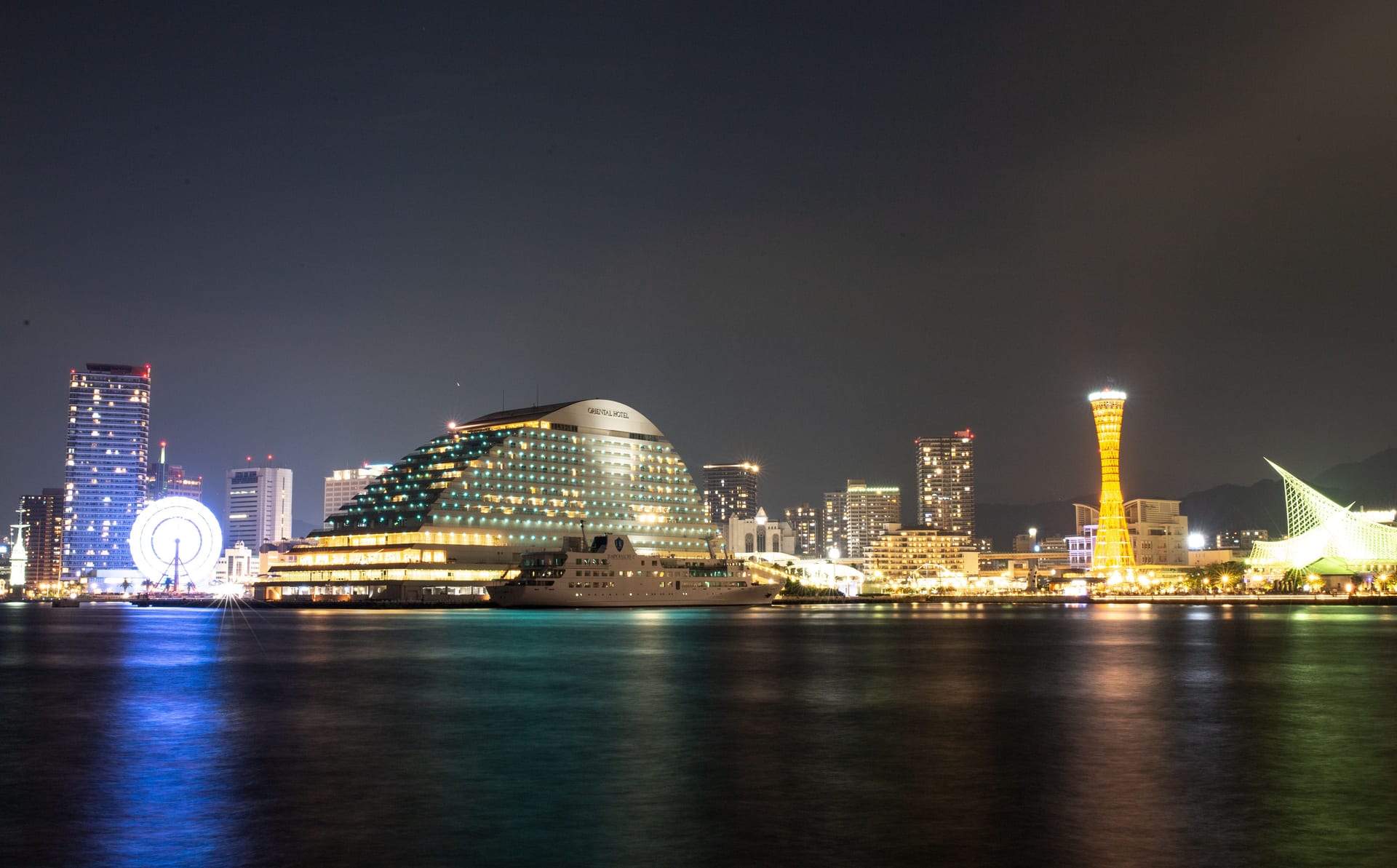
Kobe Harborland & Meriken Park

Kobe Suma Sea World
Frequently Asked Questions
Planning Your Kobe Trip?
See the full Kobe destination guide or browse Japan itineraries that include this city.
See all Nature & Scenic Spots across Japan →